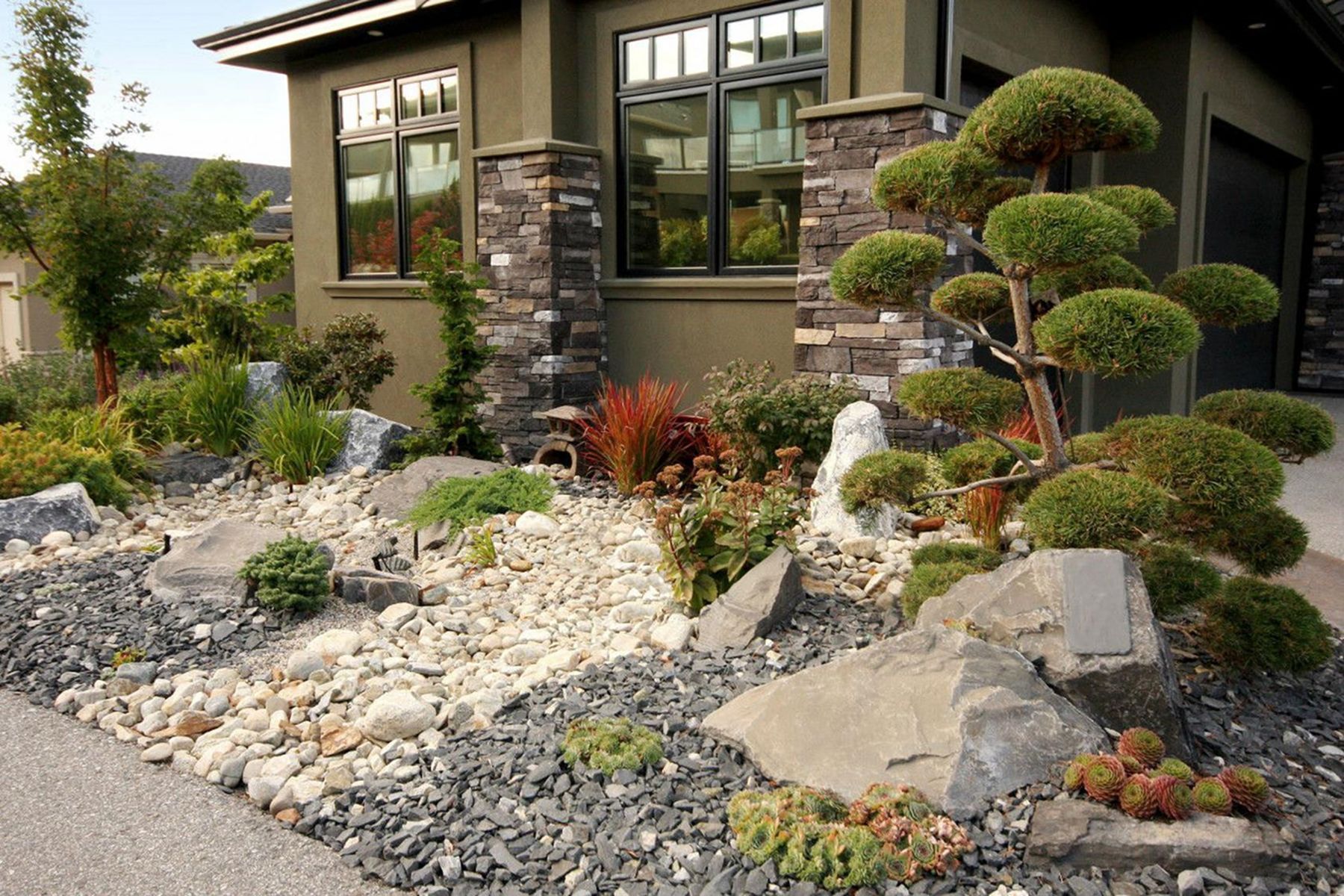
Designing a native plant garden in Nashville is not only an eco-friendly landscaping decision but it is a celebration of the rich biodiversity of the region. At Destined Landscapes, we specialize in creating thriving native gardens that are both low-maintenance and high-impact. Whether you’re hoping to attract pollinators, reduce water usage, or simply enhance the aesthetic of your outdoor space, native gardening offers a resilient and beautiful solution.
When it comes to landscaping in Nashville, understanding the specific conditions of Middle Tennessee is essential. The region boasts a diverse ecology, with fertile soils, rolling hills, and a climate that supports a broad spectrum of native plant life. By designing with native species, you align your garden with the natural rhythm of the land, ensuring better growth, reduced upkeep, and a more sustainable landscape.
Why Use Native Plants in Your Garden
Native plants are those that exist naturally in an area, ecosystem, or habitat without human direct or indirect intervention. In Nashville, some well-known native plants are Purple Coneflower (Echinacea purpurea), Black-eyed Susan (Rudbeckia hirta), and Eastern Red Columbine (Aquilegia canadensis). These species are naturally suited for the local soil, rainfall, and weather conditions, thus better resistant to drought, pests, and diseases.
Native plant gardening minimizes the use of chemical fertilizers and overwatering. Since they’ve co-evolved with native wildlife, they also help support vital habitat and nectar for pollinators, birds, and other beneficial species.
How do you Learn About Native Plant Gardening?
Education on how to establish a native garden is the starting point. There are a number of credible sources in Tennessee that provide expert advice:
Tennessee Native Plant Society (TNPS): Offers workshops, plant lists, and conservation resources.
Nashville Tree Foundation: Provides planting guides and volunteer planting opportunities.
Cheekwood Estate & Gardens: Includes native plant exhibitions and educational tours.
Books such as “Bringing Nature Home” by Douglas Tallamy are also excellent resources. We suggest visiting local nurseries that focus on native species, like Growild Native Plant Nursery or Reflection Riding Arboretum.
Talking to expert landscapers experienced in native plant design is also important to making sure your garden is lovely and ecologically healthy.
Elements of a Successful Native Plant Garden Design
A successful native plant garden balances the elements of design with respect to ecological function. These are some of the elements to consider:
Understand Your Site Conditions
Begin by considering sun exposure, soil, drainage, and current vegetation. Certain native plants like full sun, while others require shaded woodlands. Soil tests should be run to identify pH and nutrient status.
Layering for Visual and Ecological Impact
Design vertically to create the natural ecosystems:
- Canopy: Small native trees such as Serviceberry (Amelanchier arborea).
- Understory: Shrubs including Virginia Sweetspire (Itea virginica).
- Herbaceous layer: Wildflowers and perennials such as Wild Bergamot (Monarda fistulosa).
- Groundcover: Grasses like Little Bluestem (Schizachyrium scoparium).
This multi-layered plan not only gives the visual appearance of depth but also provides varied bird, butterfly, and beneficial insect habitat.
Add Ornamental Grasses
Ornamental grasses are a mainstay of native garden design. They add structure, movement, and interest year-round. In Nashville, native ornamental grasses include:
- Switchgrass (Panicum virgatum)
- Indian Grass (Sorghastrum nutans)
- River Oats (Chasmanthium latifolium)
These are top-notch options. Drought-tolerant, soil-enriching, and wildlife shelter and nesting material, these grasses are the perfect addition to your garden.
Design for Bloom Succession
Choose a mix of species that have varying bloom schedules throughout the year. Not only will this keep your garden in bloom from spring to autumn, but it will provide pollinators with a constant source of nectar.
How to Make Your Garden Friendly to Pollinators, Butterflies, and Birds
A native plant garden tends to attract a broad range of beneficial wildlife on its own. A couple of careful actions, though, can enhance its ecological contribution:
- Shun Pesticides and Herbicides: These toxins can kill or injure pollinators and beneficial insects.
- Add a Source of Water: Birdbaths, trays, or tiny ponds offer water.
- Preserve Some Natural Debris: Hollow reeds, leaf litter, and logs offer cover and nesting sites.
- Add Milkweed (Asclepias spp.): Monarch butterfly lifeline.
- Use Native Flowering Plants: Incorporate nectar-rich flowers such as Bee Balm (Monarda) and Joe-Pye Weed (Eutrochium purpureum).
Feeding, housing, and water provision will turn your garden into a vibrant wildlife sanctuary.

What Makes Native Plant Gardening Different
Native plant gardening differs from conventional landscaping that favors non-native species, buffed-up lawns, and high-input maintenance. Here’s why:
Low Maintenance: Once settled, native gardens need less watering, pruning, and fertilizing.
Environmental Benefits: They enhance soil quality, prevent erosion, and provide biodiversity.
Authentic Aesthetics: Native gardens capture the beauty and heritage of the surrounding landscape.
Resilience: Native plants are more resistant to extreme weather conditions because they are genetically adapted to local climates.
These gardens don’t simply appear natural, they are natural, providing a dynamic and changing landscape that fluctuates with the seasons.
Planning and Maintenance Advice for Long-Term Success
Begin Small: You don’t need to install your entire yard all at once. Start with a pollinator patch or native border garden.
Group Plants Together by Needs: Group sun-loving plants together and put moisture-lovers in low areas.
Mulch Lightly: Although mulch will conserve water, too much can smother native groundcovers. Use leaf litter instead.
Weed Regularly in Early Stages: Native plants take a while to get established. In the meantime, mow down invader weeds to allow space for them to grow.
With time, your garden will be more autonomous, needing less maintenance and yielding more dividends.
Partnering with Professionals for Native Garden Success
We combine artistic eye with ecological know-how at Destined Landscapes to implement your native garden visions. From the choice of plants to an integrated design balancing biodiversity and curb appeal, our staff makes sure every project performs from the ground level upwards.
Whether you’re creating a backyard retreat or a pollinator paradise, we provide individualized solutions that honor the beauty of Tennessee’s native charm.